Isıl İşlem: Matkap Ucu Ömrünü Belirleyen Gizli Süreç
Two drill tools may appear identical and use similar steel, yet deliver very different performance underground or on the bench. One may wear quickly, chip, or break after only a few drilling cycles. Another can maintain its cutting performance and structural reliability far longer.
The difference is often not visible in the finished product. It lies in heat treatment.
For rock drilling tools, heat treatment determines how effectively the steel balances surface hardness, wear resistance, impact resistance, and core toughness. This balance is essential in harsh drilling conditions involving repeated impact, rotation, friction, vibration, and variable rock formations.
Why Material Alone Is Not Enough
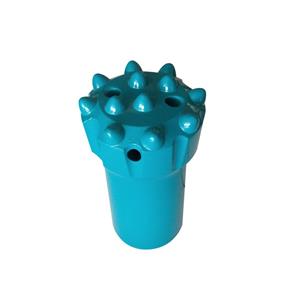
High-quality steel is the starting point, but it does not guarantee a durable drill rod, drill bit, shank adaptor, or other drilling component. Without controlled heat treatment, even good material may be too soft to resist abrasion or too brittle to survive impact loading.
A reliable rock drilling tool must resist wear while remaining tough enough to avoid cracking or sudden fracture. Achieving this balance requires a controlled combination of hardening and tempering.
1. Quenching Improves Surface Hardness
Quenching is used to increase hardness and wear resistance. During rock drilling, tool surfaces experience high-frequency impact and intense friction against hard rock and drill cuttings. A properly hardened surface helps the tool resist abrasion and maintain its working profile.
When heat treatment is controlled correctly, the steel develops a stronger surface structure that supports improved wear resistance and impact performance. This can help drilling tools perform more consistently in demanding formations and reduce premature surface damage.
However, hardness alone is not enough.
2. Tempering Restores Toughness
A tool that is extremely hard but lacks toughness can become brittle. Under strong impact, a brittle component may chip, crack, or break unexpectedly.
Tempering is the process that helps reduce residual stress created during hardening and restores useful toughness to the steel. The objective is not simply to make a tool hard. It is to create a component that combines a wear-resistant exterior with a tough and resilient internal structure.
For drilling tools, this balance supports a more stable response to repeated impact and torsional loads.
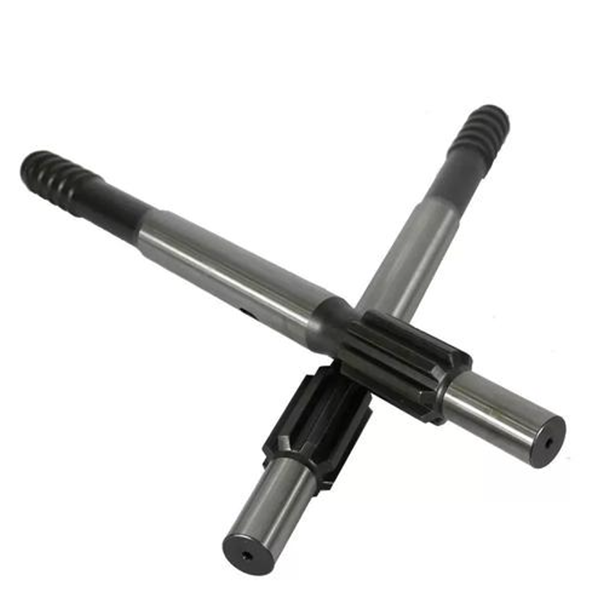
3. Hardness and Toughness Must Work Together
The best drilling tools are not defined by maximum hardness. They are defined by a controlled hardness profile that suits the intended operating conditions.
Quenching supports hardness and wear resistance.
Tempering supports toughness and crack resistance.
Controlled carburising can help create an engineered surface layer.
Consistent temperature, time, case depth, and hardness control support repeatable product quality.
Bu süreçler doğru şekilde yönetildiğinde, sondaj aletleri darbe, dönme, sürtünme ve titreşimin birleşik streslerine daha iyi dayanabilir.
Isıl işlem, daha güvenli ve verimli sondajı destekler.
Uygun şekilde bakımı yapılan matkap uçları, operatörlerin şunları başarmasına yardımcı olabilir:
Daha uzun kullanılabilir hizmet ömrü
Daha istikrarlı sondaj performansı
Yüzey aşınmasına karşı daha iyi direnç
Kırılgan arıza riskinin daha düşük olması
Planlanmamış alet değişiminde azalma
Daha tutarlı sondaj kalitesi
Gerçek performans, kaya koşullarına, sondaj parametrelerine, ekipman durumuna, yıkama uygulamalarına, operatör tekniğine ve rutin denetime bağlıdır. Aşınmış, bükülmüş, çatlamış veya hasar görmüş aletler, saha prosedürlerine göre hizmet dışı bırakılmalıdır.
Kaya Projeleri İçin Sondaj Aletlerinin Seçimi
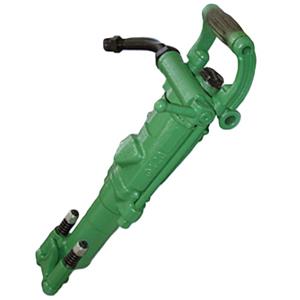
Sondaj aletleri seçilirken, proje ekipleri sadece malzeme kalitesini değil, daha fazlasını değerlendirmelidir. İlgili faktörler arasında ısıl işlem kalitesi, alet geometrisi, sondaj kulesiyle uyumluluk, yerel jeoloji, beklenen darbe yükü, dönme talebi ve bakım gereksinimleri yer almaktadır.
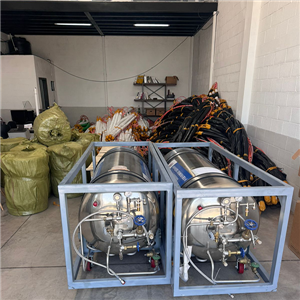
Titreşim, yakındaki altyapı veya operasyonel hassasiyet nedeniyle geleneksel patlatmanın kısıtlandığı sondaj ve kaya kırma projelerinde, Gaea Rock O2 Gaz Enerjili Kaya Bölme Sistemi, mühendislik açısından bir alternatif olarak değerlendirilebilir. Bu sistem, nitelikli tasarım, eğitim ve yerel düzenleyici gerekliliklere tabi olarak, geleneksel patlayıcı formülasyonları yerine hızlı sıvı oksijen faz değişim enerjisi kullanır.